Ultra-Thin UHPC Panels Enable Innovative and Custom Architectural Designs
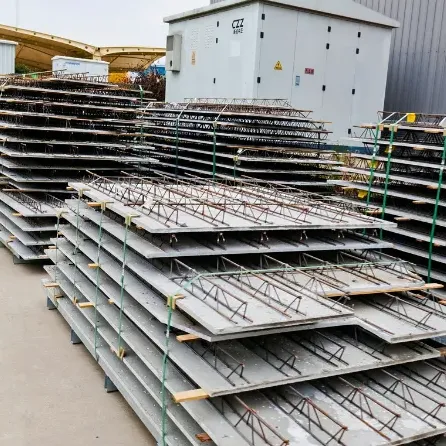
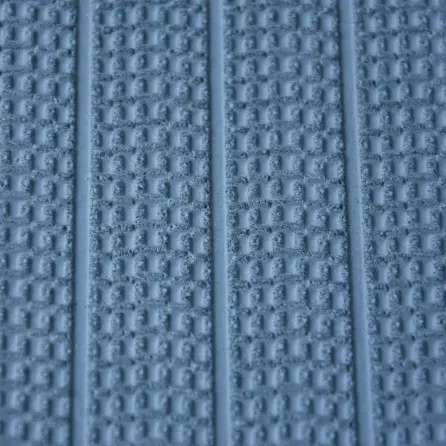
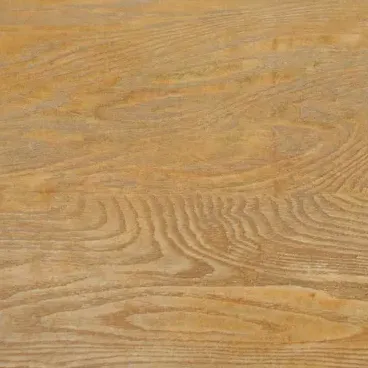
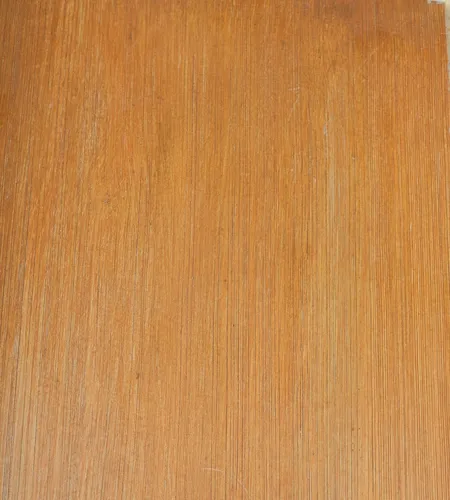
The design flexibility of ultra-thin UHPC panels makes them ideal for modern architectural projects that require both aesthetic appeal and structural reliability. These panels can be produced in a wide variety of sizes, shapes, thicknesses, and surface textures to meet specific project requirements. They also allow for a broad range of colors, finishes, and patterns, enabling architects to achieve unique visual effects while maintaining high-performance standards. Ultra-thin UHPC panels are commonly applied in facades, curtain walls, decorative interiors, and public infrastructure projects where precise customization is needed. This versatility empowers design teams to execute complex architectural visions without compromising on strength, durability, or installation efficiency.
Ultra-Thin UHPC Panels Contribute to Sustainable and Efficient Construction
environmentally sustainable building practices. Their production requires less material compared to traditional concrete panels, reducing raw material consumption and carbon footprint. The long service life of ultra-thin UHPC panels minimizes maintenance, replacement, and associated environmental impact. Additionally, their slim design allows for energy-efficient transportation and handling, while their durability ensures resilience against wear and weathering. These attributes make ultra-thin UHPC panels a practical and eco-friendly choice for architects and contractors who prioritize sustainability alongside strength, aesthetics, and performance in modern construction projects.
Ultra-Thin UHPC Panels Offer Outstanding Weather, Abrasion, and Environmental Resistance
Ultra-thin UHPC panels are highly resistant to a wide range of environmental stressors, including heavy rainfall, strong winds, ultraviolet radiation, freeze-thaw cycles, and extreme temperatures. The advanced fiber-reinforced concrete mix ensures exceptional abrasion resistance, preventing surface wear and maintaining aesthetic integrity over time. These properties make ultra-thin UHPC panels suitable for both exterior and interior applications where durability, visual appeal, and minimal maintenance are critical. Building facades, curtain walls, and decorative cladding benefit from panels that can withstand harsh weather conditions without compromising performance. The combination of longevity, resistance, and low maintenance makes ultra-thin UHPC panels an optimal solution for sustainable construction and urban architecture.
Ultra-Thin UHPC Panels Are Lightweight and Facilitate Efficient Installation
One of the most significant advantages of ultra-thin UHPC panels is their lightweight nature, which simplifies transportation, handling, and on-site installation. Unlike traditional concrete panels, ultra-thin UHPC panels reduce the structural load on buildings, allowing for more flexible support systems and reducing the need for heavy-duty mounting frameworks. Their slim profile and reduced weight also speed up construction timelines, lower labor costs, and improve overall project efficiency. Despite their thin design, these panels retain excellent mechanical strength and long-term durability, making them suitable for high-rise buildings, large facades, and extensive cladding projects. The combination of easy installation and superior performance makes ultra-thin UHPC panels an ideal choice for modern construction projects.